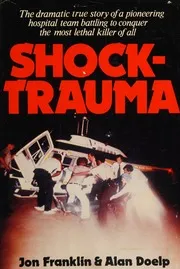


It's a decent book that offers a window into the creation of trauma and acute care surgery. You can read not just about the medical developments but the political decision making behind creating a new field, and the politics that can wreak havoc on creating new designations like trauma centers for better patient care. One other thing interesting to note is the changes in trauma care since the 1980s, particularly with the use of whole blood or 1:1:1 for resuscitation rather than IV fluids, increased non-operative management of solid organ injuries like the spleen, and the use of FAST ultrasound rather than diagnostic peritoneal lavage. Either way it's a great window into medical history not just with the benefit of 20/20 hindsight but dropped in Media res.