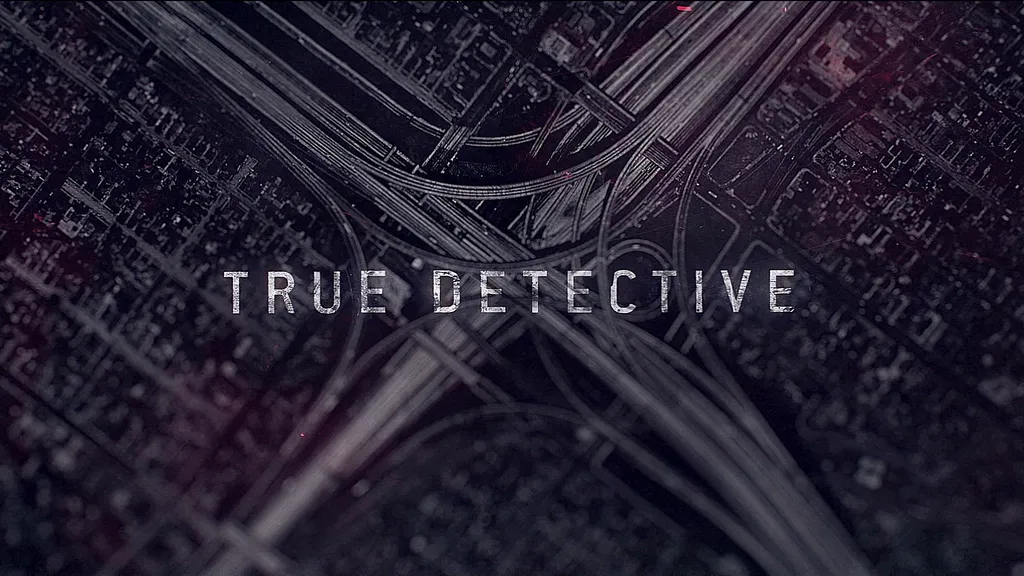
When someone asks me what my favorite TV show is, I typically go through my top three. Deadwood is an unimpeachable number one. Next is Lodge 49. Rounding out the top three is True Detective.
Normally, when people say they enjoy True Detective, it comes with a disclaimer: “The first season, I mean.” I, dear reader, am built different. For me, True Detective earns its spot not thanks to its first season, but thanks to its third and especially its second.
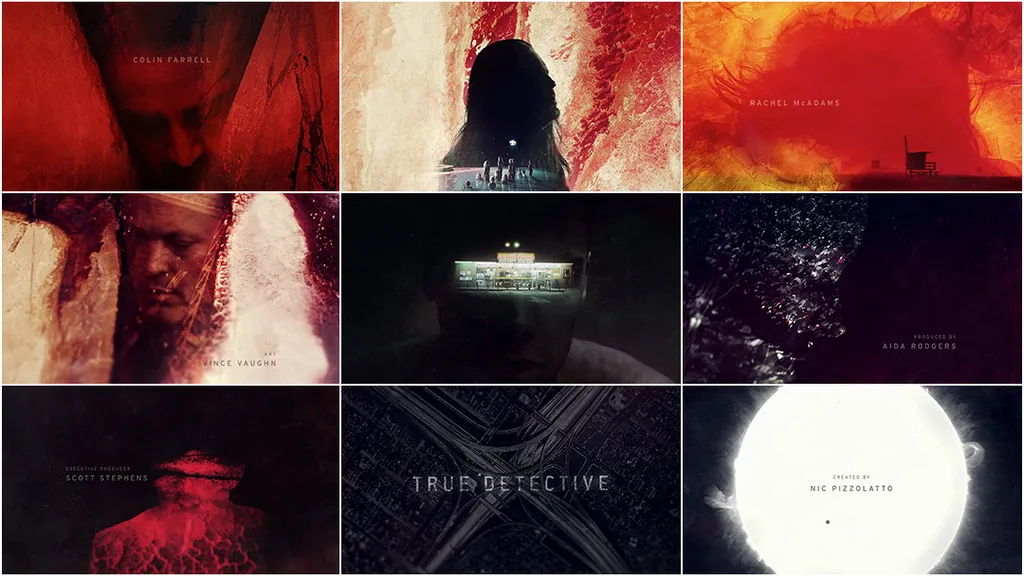
Don’t get me wrong. The first season is good television, maybe even great television. However, I find that its virtues are overstated and its flaws overlooked; for its younger siblings, vice-versa. To me, all three seasons are more or less even, all of a piece, even if they are radically different from one another. There are a few consistent elements at their core: they’re about detectives, they’re about more than those detectives, and they were all written by Nic Pizzolatto. (For this reason, and many others, I ignore Night Country.)
All three came along at just the right time to make an outsized impact on my life, but the second was explosive. Watching it, I felt invested in a way that rarely happened with other shows; really, with other artworks, regardless of the medium. I can list a few books that have made me feel the same way, like Hard Rain Falling, Matterhorn, and Killing Mister Watson. I can do the same with films: Magnolia, Thief, The Thin Red Line.
When something grabs you by the throat, when something’s special to you, you know it. True Detective Season 2 is special to me.
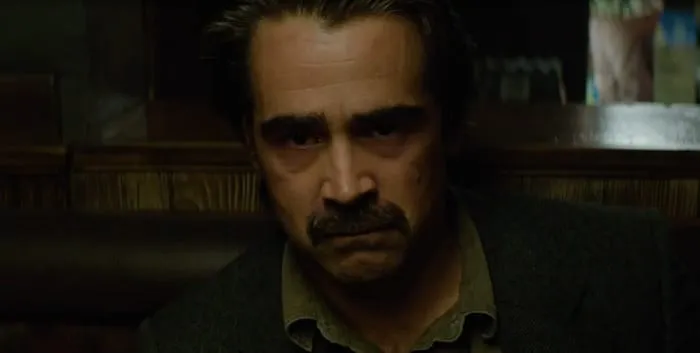
Each time I watch it, I fall in love at a different point. The first time, it was when Colin Farrell’s Ray Velcoro was ambushed in an empty house. After two episodes of what felt like wheel-spinning that paled in comparison to the first season’s opening act, one of our main characters was possibly killed! The thrills gave way to chills with that final cut from soundproofed interior to silent exterior - and God, what a great choice of music for that scene. At that moment, I was hooked.
The second time, it was during the mid-season shootout, a True Detective staple. The first time I’d watched it, I was a little dismayed, feeling it paled in comparison (there’s that phrase again) to the impressive (and, retrospectively, a bit ostentatious) shootout at Season 1’s midpoint. This time, I began to wonder why I’d been disappointed, and realized it was because everything was so uncool. After building up these protagonists as badasses a la Rust Cohle, Season 2 revealed them to be human, capable of catastrophic failure and cowardice. I saw the intention in the anticlimax. Something more, I realized, was going on here.
The third time, it was when Ray visited his father. This was where I began to understand that my connection to Season 2 goes beyond surface-level enjoyment, beyond metanarrative analysis, and into something deeply personal.
“Holy shit,” I said. “This is exactly what visiting my dad was like.”
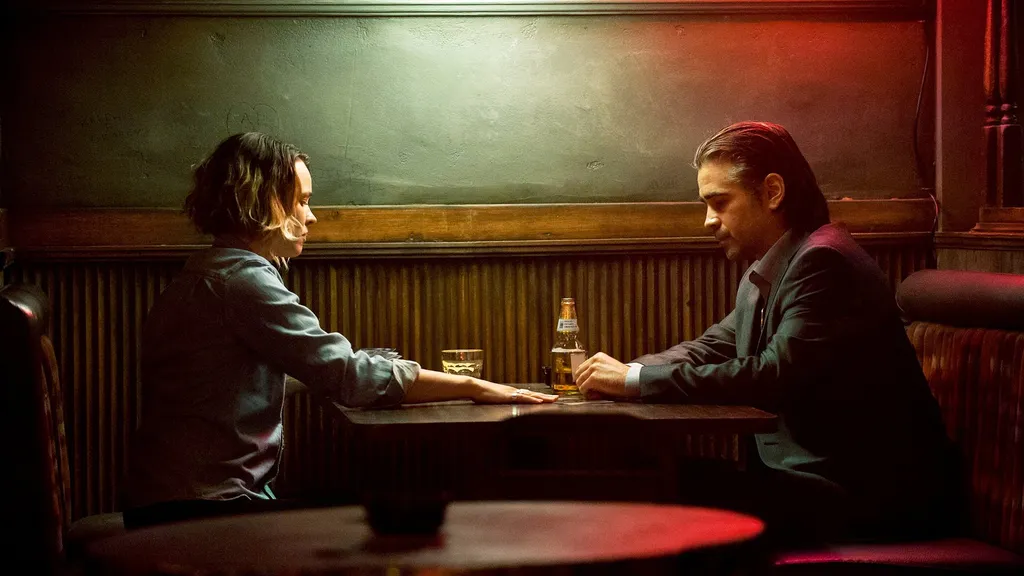
There was the reticence. The underhanded insults. The way Ray’s father was forsaking his good qualities for resentment. The ingratitude towards gifts. (In Ray’s case, marijuana; in my case, fresh-baked bread.) And, of course, Ray’s discomfort, which is replicated in his relationship with his own son. I don’t have any kids yet, so the jury’s out on that. But here, I see a window into a future I must avoid at all costs.
Season 2 is meaningful to me, warts and all. Boy, are there warts. This season sometimes seems like it’s actively trying to alienate its own audience. It’s slow, monotonous, and befuddling. It’s structurally sloppy; it’s stylistically subdued. And, from time to time, the dialogue is terrible: “When you walk, it’s like erasers clapping.”
Yet it exerts an incredible, almost unequalled emotional force on me. Everyone has a few pieces of art that are truly special to them. This is one of mine.
I don’t want to mount a defense. Doing so, I think, is a kind of capitulation, the submission of personal experience in favor of what we now term “discourse,” the most insidious trend in modern storytelling. This season has its defenders, among them Julian Casablancas and Hideo Kojima, and it has its detractors. Very few people land in-between, and I doubt a passionate thinkpiece will sway anyone. (It’s worth mentioning, however, that I’ve also written a full, 3000-word analysis – the prospect of my posting it should horrify all of you.)
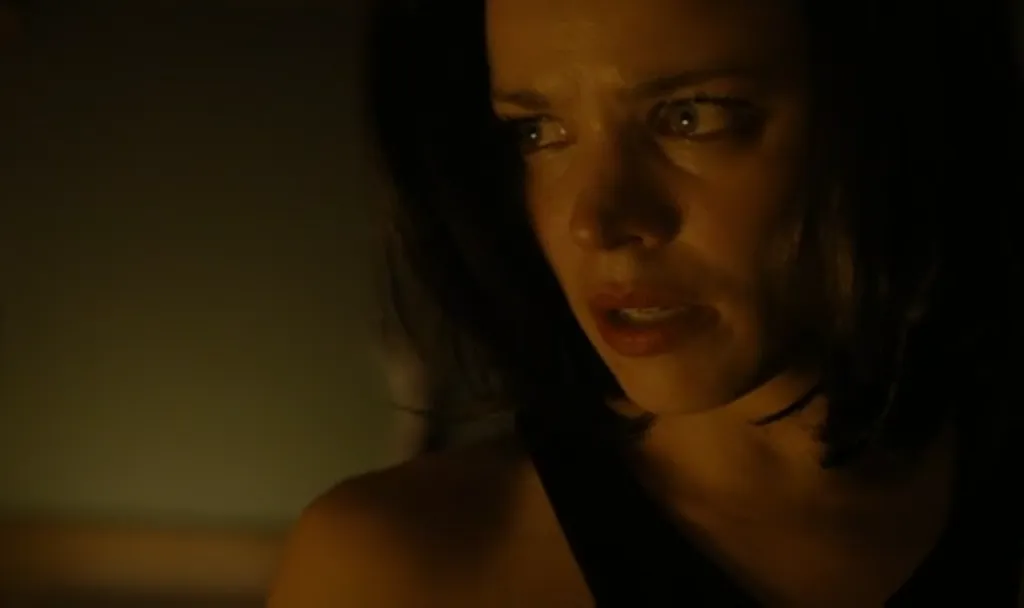
Instead, I want to examine something a little more personal: what it feels like to love a piece of art so utterly maligned.
And there’s no question that Season 2 is maligned. I can’t hold anything against the people who hate it. There’s nothing wrong with them, and I won’t accuse them of being stupid or unfair, though there was a time I would have. They simply dislike the show. That’s not a mortal sin. Believing otherwise is a one-way ticket to the kind of bitterness that turns people into Ray’s father, or my own.
But how can I believe that when it’s so darned important to me? For eleven years, this season of television has kept up a semi-permanent residency in my brain. It swings by like an old friend, each time bringing a gift.
“Nice to see you,” it says. “When’s the last time you thought about Paul Woodrugh?”
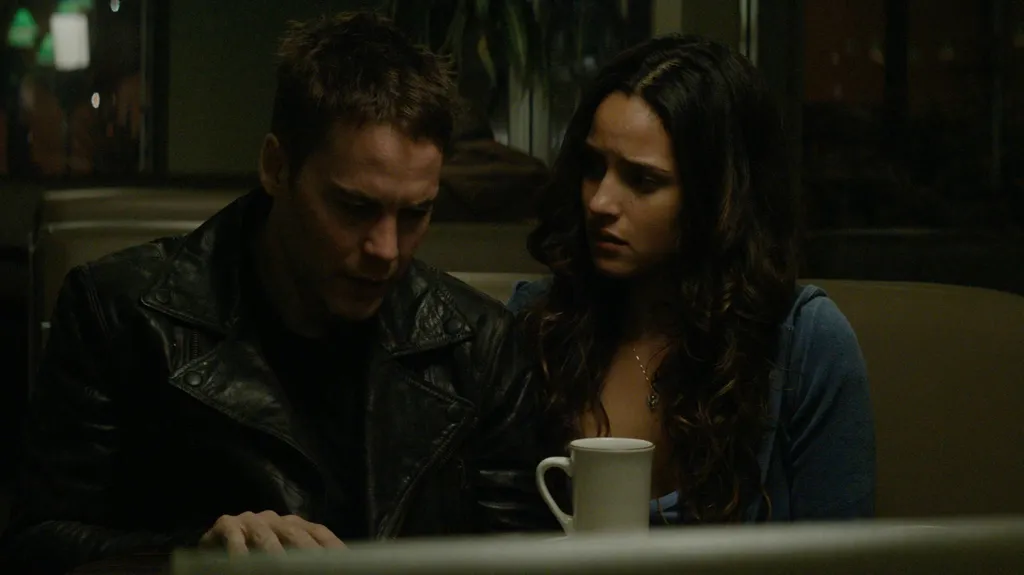
Poor Paul. When my fiancee saw him die, she cried. She cried multiple times throughout our viewing, and by the end, she was marooned with me on Season 2 Island. It’s a little less lonely here now, but it sure ain’t a party.
Loving Season 2 has been painful. That in itself is odd. Why should I take the hatred towards it as a personal affront? Why, when people insult it, do I feel as though they’re also insulting me. I’ve read plenty of negative reviews of other things I’ve enjoyed and never batted an eye. (Though my eye twitches whenever I remember Sally Jane Black’s review of Blade Runner.)
This is the power Season 2 has over me: I’ve gone beyond enjoying it and found myself identifying with it. In its depiction of urban hell, capitalist exploitation, sexual perversity, inherent vice, crumbling institutions, widespread corruption, deep-seated pain, tentative connections, redeeming love, and persevering hope, I see a map of the world as I understand it.
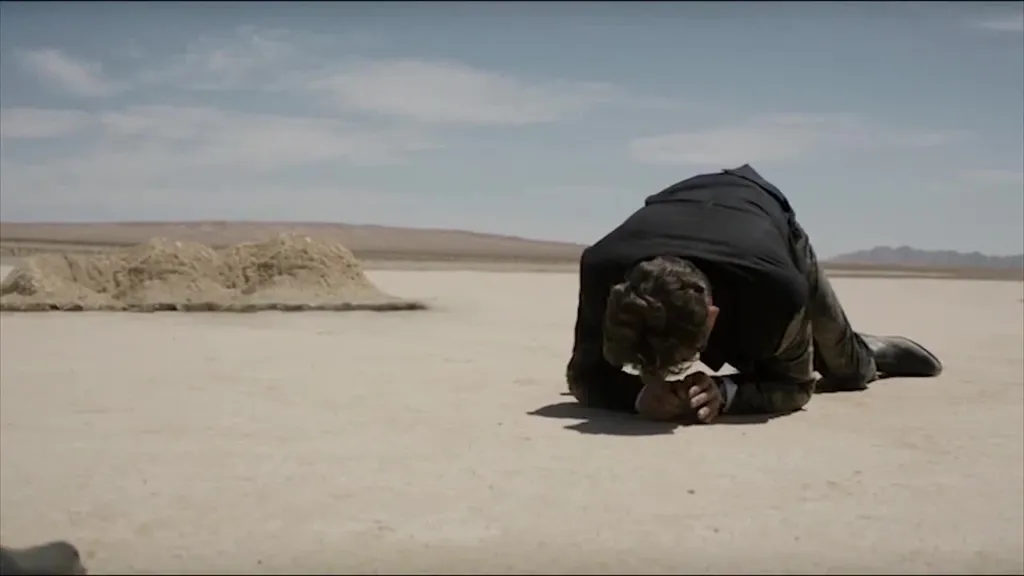
Some people might diagnose this as a type of mental illness and advocate for my being locked in an asylum. But I’m an ardent Christian, and no stranger to accepting and elevating the irrational. Thus, an alternate theory: certain works of art are simply meant for us. I’m not talking about fate, though I would never rule it out – again, ardent Christian. Nor am I talking about being an intended audience for something, as so many people do nowadays, defending other poorly-received works of art.
It’s more akin to an eclipse. A work of art is like a heavenly body passing across the surface of the sun, casting a shadow upon us. Depending on our position on Earth, we may not see it, may see it partially, or, rarely, may be covered in full. To stand beneath a full eclipse is breathtaking, mindbending, reality-altering, and unforgettable.
The art that’s special to us is like the full eclipse. It fills in the outline drawn by our individual soul and therefore takes on unique importance. We have no choice but to accept it, naysayers be damned. No amount of sticks, stones, and broken bones can deprive us of that connection. If all of this sounds a tad overdramatic, remember what's special to you. People have killed and died for the art that's special to them.
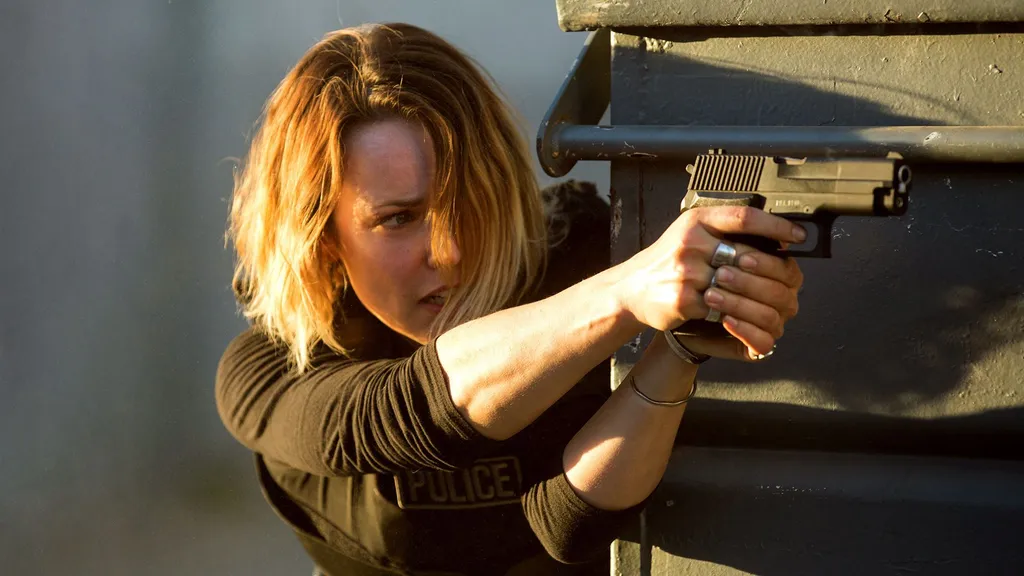
Eleven years ago, Nic Pizzolatto sat down and wrote something that passed across my field of vision and eclipsed me fully. It’s a story that has informed the way I think and live, guiding me throughout my life, knocking sometimes to remind me of the world’s unfairness and the necessity of hope. While that’s probably the ultimate message of the season, it’s also applicable to the season itself. It may be loved by few, but it’s loved nonetheless. We happily soldier on, speaking the gospel, occasionally finding a convert to join us.
There’s a lot more I could tell you about Season 2. Its music. Its performances. Its atmosphere. Its televised violence that’s not cool and admirable and discretely fetishized, but cruel and horrifying and sickening. Its examination of trauma that goes beyond cliches to instead examine how the cliches themselves twist our self-perception. Its autopsy of genre, genrefied characters, American myth, and that myth’s ability to spiritually mutilate us. Its ultimate commitment to the idea that yes, despite it all, we deserve a better world than this one and have to fight for it.
But nevermind.