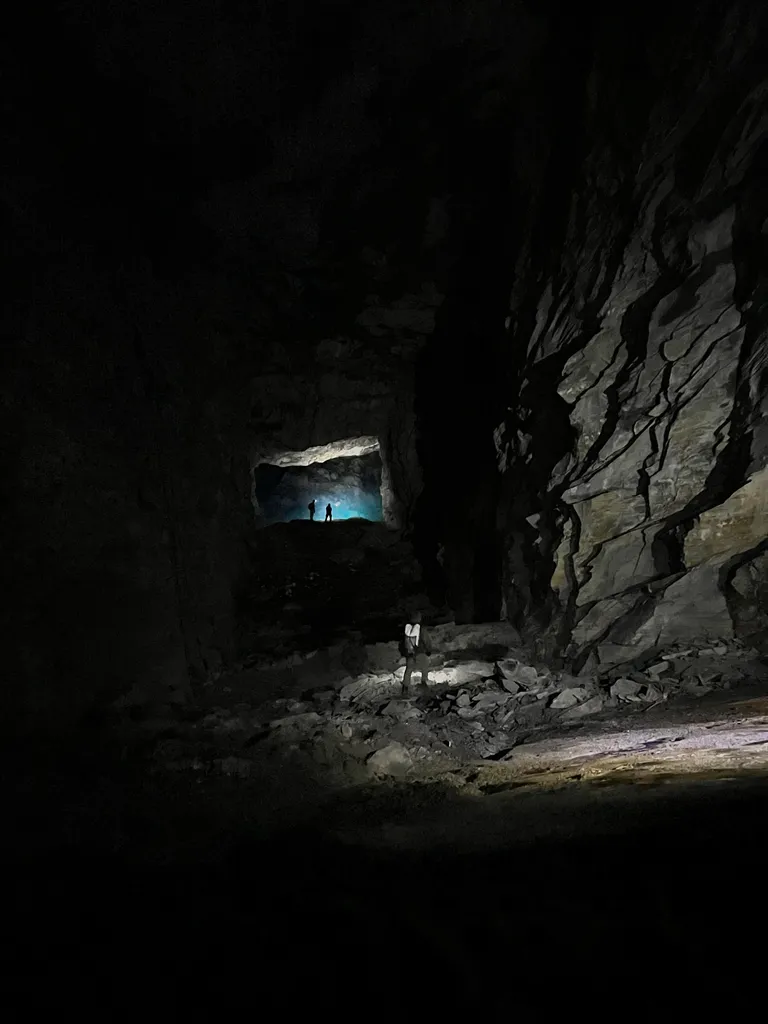
Recently, I have visited a few abandoned World War Two and Cold War era military facilities and bunkers that are scattered across the UK so I thought I'd pick up this book to take a break from my usual reading. I will try to post some pictures if it works.
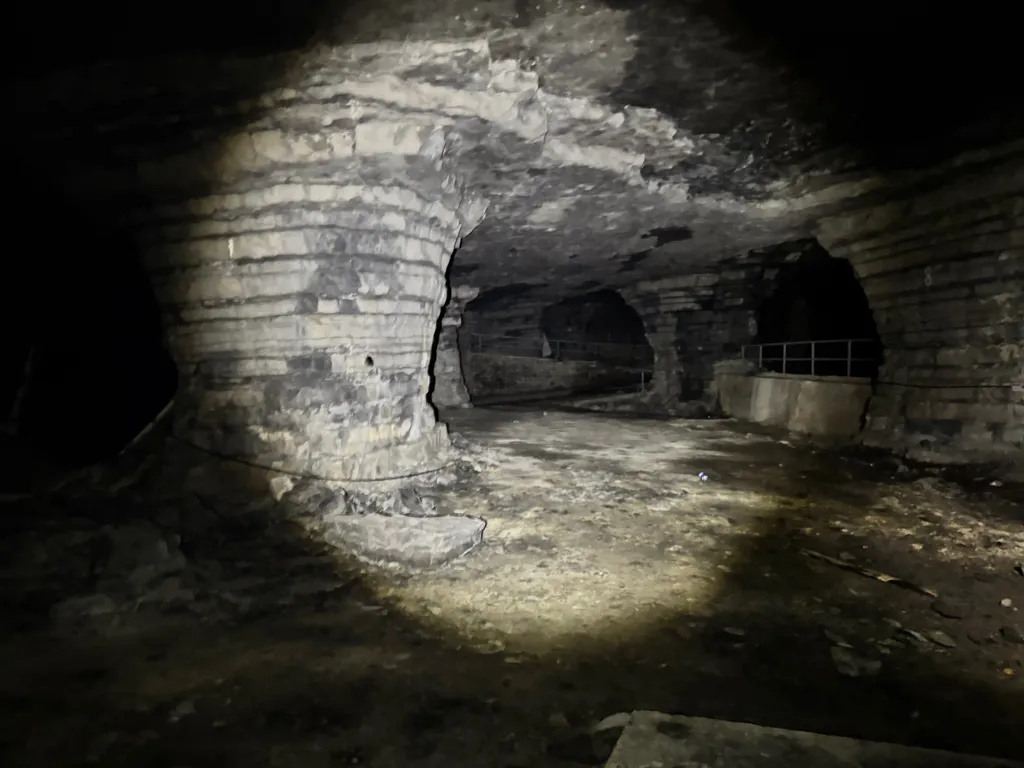
Some of the logistical and administrative details in here were a bit dry, but with the numbers, McCamley does paint a picture of how vast and extensive these earthworks are. There weren't just one or two of these dotted about, there are dozens all around the country.
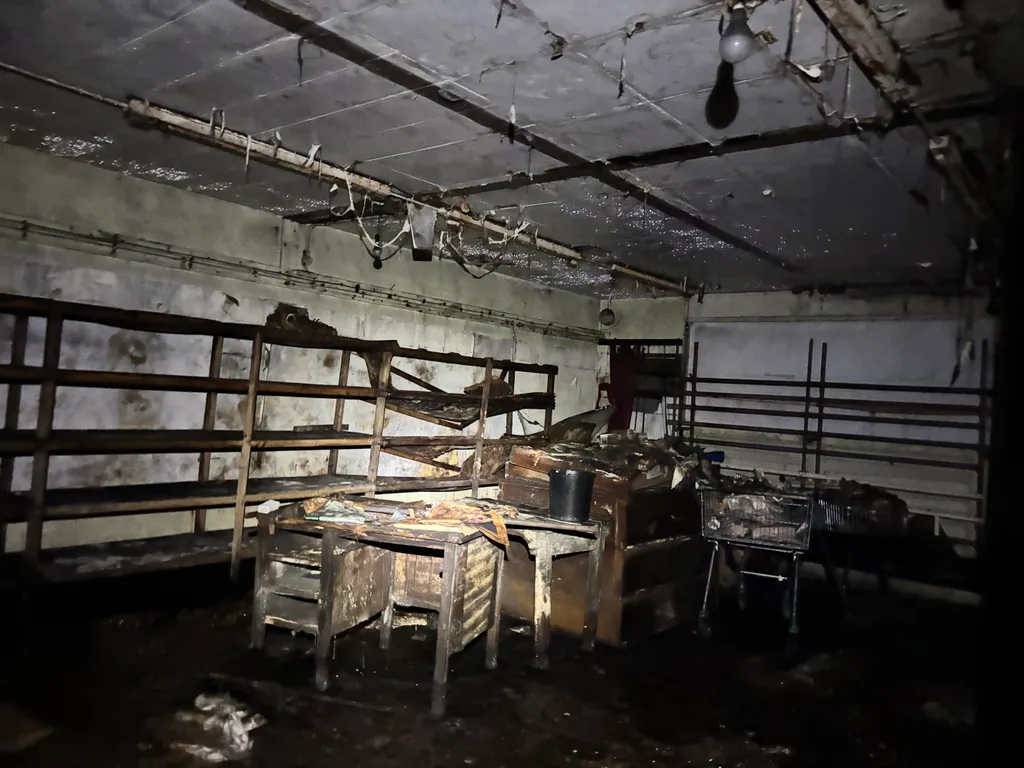
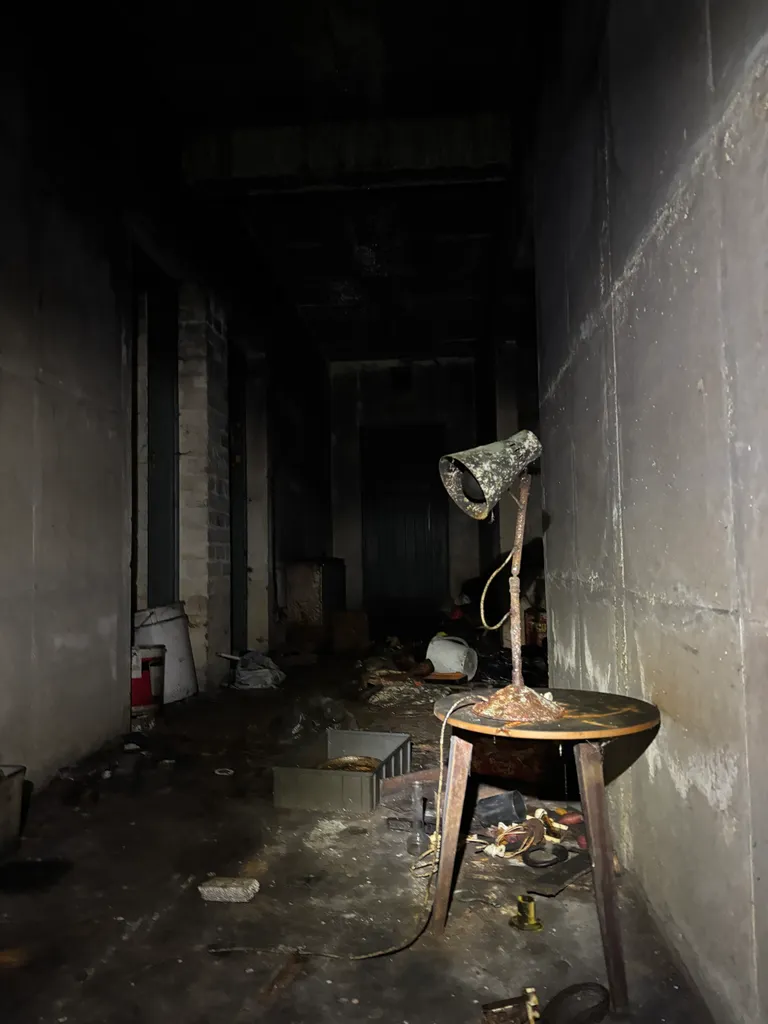
Most were built during World War Two, adapting already existing abandoned quarries and mine shafts. McCamley explains that, despite its appearance during the Great War, aerial warfare was novel, and the British government had not fully prepared for the possibility of German planes dropping bombs on factories and ammunition stores. In a panic, these underground bases were made at great expense, as underground was the only sure protection you could afford.
Some of these underground facilities grew to be entirely self-contained with electricity from generators, train lines and full plumbing designed to house an operational government in the event of a German invasion. You get a sense of real panic reading this. These weren't built for safe precaution. It was a real possibility that the government would have to retreat underground.

The impression I got from this book was that it was mostly a waste of money though. The work was costly and the facilities hardly used. It proved hard to keep ammunition in good condition in the damp underground conditions, as well as the issues with finding men to dig them with an active conscription going on and the perils of working underground and further to that storing explosives underground. There were lots of incidents of collapsing ceilings, as well as the RAF Fauld incident, where a bunch of ammunition exploded, leaving a cartoonishly large crater in the English countryside.

Post-war there was huge expense in decommissioning these sites and some were eventually converted into nuclear bunkers for the new Russian threat. McCamley doesn't take the history further than that so as for modern bunkers I have no clue but all of these old WW2 underground buildings have since been abandoned often guarded by a flimsy fence and lazy security.
Now they are fun places to sneak into. It's very eerie walking through with these pitch black caverns with almost 100 year old equipment just left to rot.