

Maybe he is just reheating Beckett's leftovers, as many (two, which counts) of my friends have insisted over the years. But I disagree. R&GrD (a hideous acronym I've just now coined) snatches as much, if not more, from Godot as Hamlet, but you can't look me in the eyes and tell me that isn't the idea. Mileage may vary, but the valuable metatextuality does not stop and start at the characters' names and the events they're carted through.
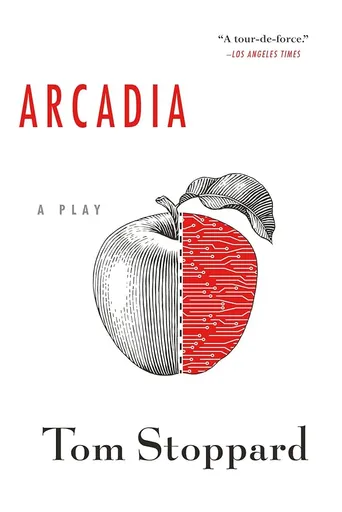
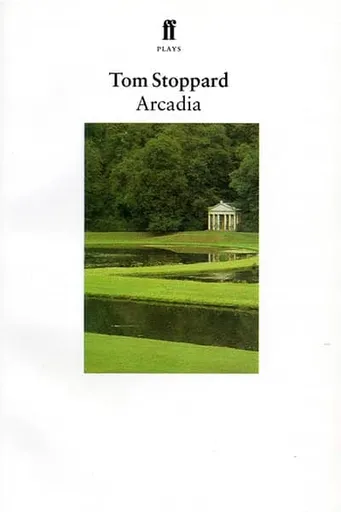
Anyway, Arcadia aligns neatly in perspective with Stoppard's past works, though its approach is fresh. This is not just God / no God refracted through the artistic ways we fail to make sense of whichever one it is. It's more granular, another step down the ladder, our lack of quantitative comprehension, not (just) qualitative. Stoppard charges that everything is ephemeral and transient even the rules that govern It (the royal it). Time. Science. Love? Oh, you old softy. I didn't think you had it in you! The ending is a vital reminder that absurdism is not nihilism. I've always found the movement quite hopeful, personally.
Staging this would be an absolute nightmare (though I'd kill to see it), but that's the price you pay to go, to use the literary term, Sicko Mode. The payoffs on payoffs to the masturbatory structural play in the final scenes almost make me not want to call it that. And you're always going to get me with the waltz across time. Come on.
I find the stench of snobbery wafting off of every character in this play deeply amusing.