This was not a very pleasant read because it is not pleasant to be in Ripley's head.


This was not a very pleasant read because it is not pleasant to be in Ripley's head.
The man is embarrassed by himself, so much that he lives around the shame and fear of being discovered - and that's before he commits any murders. This omnipresent shame is balanced by spells of arrogance, and these are the north and the south of the poor Ripley who is unable to find his way nor make sense of the world around him: Who is he? What is normal? What should he do? He runs scenarios confining to paranoia, settles for one story, briefly, then considers the opposite - "was that sarcastic?" "Maybe he is lying, and the cops are behind this door?" etc.
This is a man hiding his shame while shaming those that can't find it - and dreading, anticipating the moment they might succeed. Because this is existential shame: he hides his very core (whatever it is. He doesn't know it himself), and without exposure, he is nothing. He has no mirror, no recognition from humanity; he is alone, not human and not alive.
But he was lonely. It was not like the sensation in Paris of being alone yet not alone. He had imagined himself acquiring a bright new circle of friends with whom he would start a new life with new attitudes, standards, and habits that would be far better and clearer than those he had had all his life. Now he realised that it couldn't be. He would have to keep a distance from people, always. He might acquire the different standards and habits, but he could never acquire the circle of friends—not unless he went to Istanbul or Ceylon, and what was the use of acquiring the kind of people he would meet in those places? He was alone, and it was a lonely game he was playing. The friends he might make were most of the danger, of course. If he had to drift about the world entirely alone, so much the better: there was that much less chance that he would be found out. That was one cheerful aspect of it, anyway, and he felt better having thought of it.
Around the family of the deceased, the cops and the detective, he actually might exist. So he stays in the quicksand, regularly adding to it. Someone might actually see him and reveal him to himself (this is TLP's Narcissus without a pond).
The tone is settled extremely quickly and efficiently. The first two paragraphs of the book deliver on paranoia and self-sabotage, although it needs to become a pattern to be obvious to the reader.
Tom glanced behind him and saw the man coming out of the Green Cage, heading his way. Tom walked faster. There was no doubt that the man was after him. Tom had noticed him five minutes ago, eyeing him carefully from a table, as if he weren't quite sure, but almost. He had looked sure enough for Tom to down his drink in a hurry, pay and get out.
At the corner Tom leaned forward and trotted across Fifth Avenue. There was Raoul's. Should he take a chance and go in for another drink? Tempt fate and all that? Or should he beat it over to Park Avenue and try losing him in a few dark doorways? He went into Raoul's.
The next page adds shame, the dreaded fantasy of getting caught, and reassurance thanks to the stories he tells himself... the whole character is settled across two pages. It is surprising, especially compared to the latest movie and TV versions that stretched what is expressed very briefly in the book. (I am about to pick up Plotting and Writing Suspense Fiction to help me make sense of the technique. )
Highsmith takes what in a lesser novelist's hands would be your typical disposable potboiler thriller and turns it into something beautiful and exi...
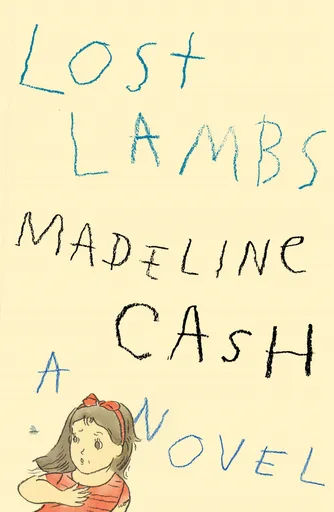
Read over July 4th weekend but finally got this from OpenLibrary yay! I wrote a review when this was still fresh but sadly it is lost but I will tr...

Almost all of us have grown familiar with a certain post-pandemic malaise, where "Netflix, drugs, and delivery services have turned the twenty-firs...
I loved how Highsmith is able to wrap you up in Ripley's world of paranoia. It took me some time to come around because of how good she is at making you feel bad. Strangers on a Train is very good too.
Yes, she is skillful. I like pain, so I might go on with the Ripley series. Strangers on a Train goes on the list too.