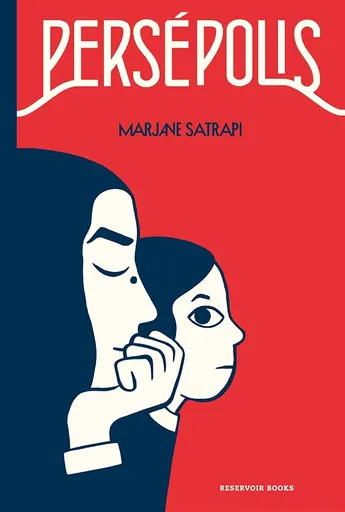

Compared other GN memoirs like Maus, or even the less dire Fun Home, Persepolis reads breezily. There's some fault with this quickness, though I think Satrapi's art style is very charming, and the book/story of Iran really engrossed me.
For one, this complete edition ends so abruptly that I had a couple seconds of confusion when I turned to the last page and found blank paper. The closing line about seldom seeing her grandmother before her death -- "Freedom had a price" -- appears an unsuccessful gesture towards a profound finality to their relationship and the memoir. It's only that final panel which introduces and lays rest her thoughts about the end of her relationship with an important political mentor and family member; it just seems too brief for who she was and the 20 years of life I just saw her take part in.
More to that end, Satrapi narrates major events across the decades in 20-paged vignettes. The consequence of this: extreme acts of violence, tension between subjects, dissatisfaction with herself -- they appear to us as contained, brief encounters with some distance to other happenings in the story. What I mean to say is that sentiment doesn't accumulate throughout the book. Sometimes I'd have pause (e.g., re: the fate of imprisoned virgins, the bombed neighbor, Marjane's act of cowardice), but I was never fully astounded, because she turns the people around her into pictures you can predict the movements, thoughts of. That kind of consistency pushes the story along in that breezy way, but I'm left wishing for a visceral experience.