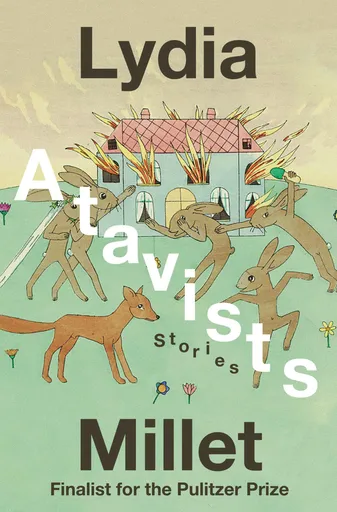

white petit bourgeois tales of post-COVID modernity involving members of a few families. undercurrents of climate despair and the irritating omnipresence of online. the stories share connecting threads. nothing in here is subtle, but that's not a bad thing. i've been trying to get back into this format after a lot of novels, and i'm not mad this was the first collection i checked out for this year's short story spree
getting some negative notes out of the way: the plotline about the old lady porn keeps turning up and it doesn't really go anywhere or mean anything. i get the impression millet thought it was more shocking than it actually is, though i can admit to being jaded about these things
the story of les the chauvinist is the least effective, and not for lack of effort. it tries to channel the type of real-world american chode whose 'literally me' character is patrick bateman, but the man himself is nowhere as audacious as those guys always are. it's very 'women writing men.' more evidence, i guess, that being a victim of a prejudice does not make one an expert in all aspects of said prejudice (here, what it feels like to have that prejudice)
his victim stalking him later is weird and interesting and much more believable, though the combination of the two tales feels like something emma cline would write. i'm not sure that's a compliment because i'm not sure that i like emma cline