
In the 1800s a fringe group of Mennonites migrated to central Asia, following the millenarian prophecies of the minister Claas Epp Jr. Hoping to be the first to meet Christ on his return to earth, they settled in the Khanate of Khiva, just south of the Aral Sea. Their church became known to locales as the white mosque, but by the 1930s their community had largely dissolved.
Sofia Samatar, a half-Mennonite half Somali author names her memoir after this structure, details her own trip to Uzbekistan, sightseeing and following in the footsteps of the earlier Anabaptist sojourners. Throughout, she examines the liminality of the area’s culture all while reflecting on her own past and the intersectionality of her identity.
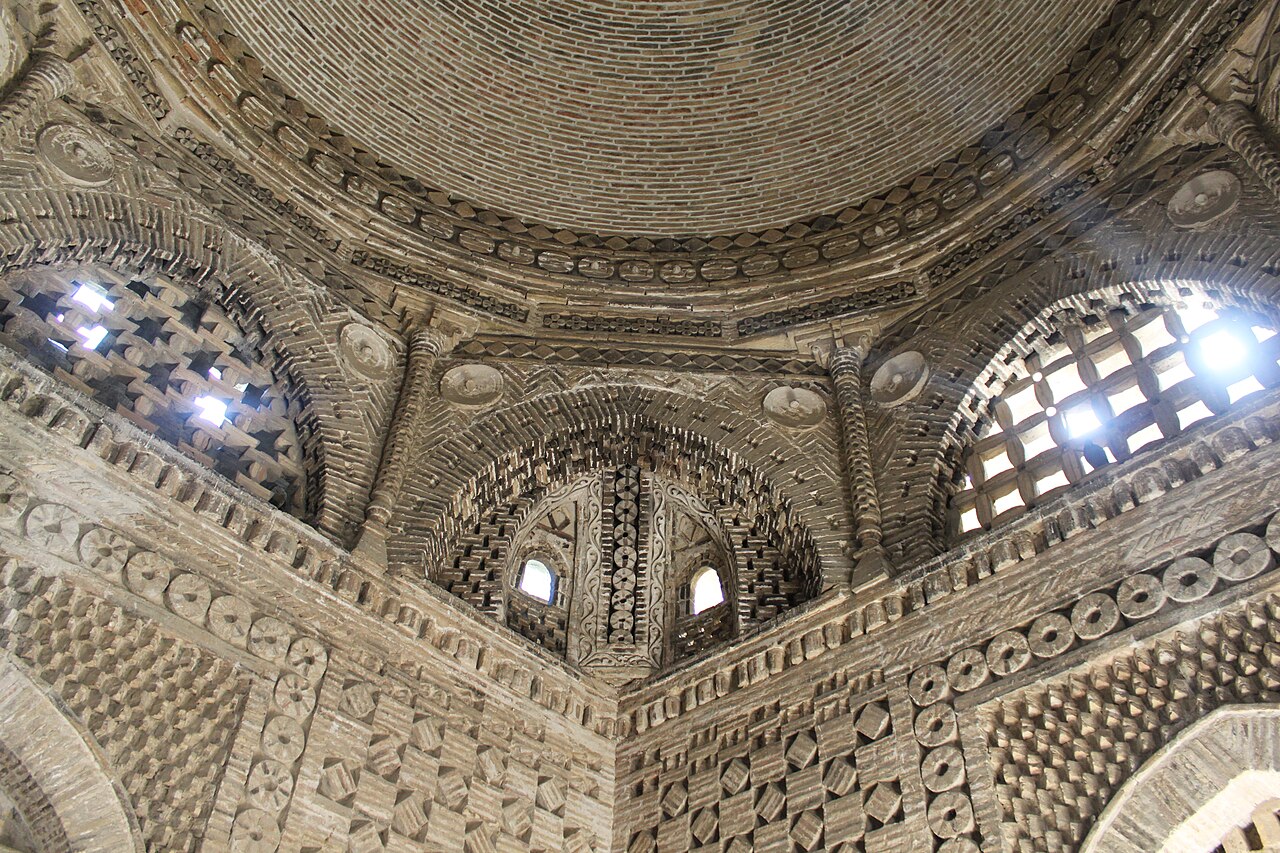
In one of my favorite chapters, she explores the 9th century Ismail Samani Mausoleum, and compares its network of multifaith decorative religious symbols to that of more recent political geography: