
Nov 16, 2025 7:57 PM
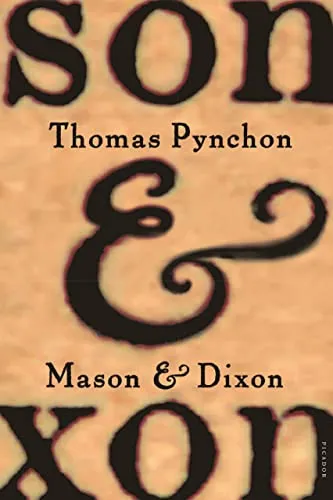
It’s hard for me to figure out what to say about Mason & Dixon anymore.
That’s not for lack of love, but for overabundance of it. This is my favorite novel, and this reading constitutes my fourth go-round. There is a point, however, where you can reach overfamiliarity with a thing, and rob yourself of the pleasure of discovery.
I have, ironically, done to Mason & Dixon exactly what Mason & Dixon warns we will do to our world.

I do not love this novel less, however. The titular characters come to know each other rather well, and do not cease to love one another for their friendship. Rather, their friendship becomes a source of stability in a system they increasingly find themselves at odds with, even as they act as the system’s agents.
So I find this novel a source of stability, too. I don’t think I can glean much more from the base narrative. I think I understand the thematic core — concerning the evils of human development and division — well enough. What I get from it now is comfort, and a valuable reminder of friendship’s worth, as well as the bittersweetness of being an American, and knowing what my country has wrought and what it is nevertheless capable of.
Never has Pynchon written a more devastating conclusion. To find ourselves sundered from our mates (both romantic and platonic) by death is one of life’s great tragedies. That sundering is, however, the price we pay for our love. Or, to look at it through a less mercenary lens, it is the final confirmation that our lives were intertwined, and that, for a while, we saw each other through. If you can bring someone to the grave and still find yourself joined to them, you should “grieve not, rather find Strength in what remains behind.”
The line between life and death, after all, is a natural one, not drawn by man but by God. We all cross it eventually, and not by choice.