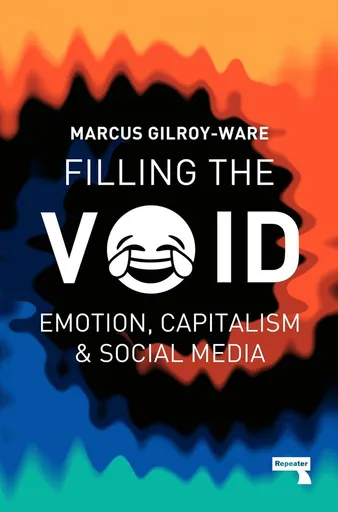

This book delves less into social media (which is, as the author points out, a redundant and exclusionary term - all media are social) and more into the problems we face when allowing for-profit corporations to mediate reality and real, normal human activities.
Facebook, Instagram, TikTok etc. function similarly on a consumption level for most users. There is an infinite well of content which you can go through, regenerated every time you open the app so that there is always a feeling of novelty, while prioritising pages you follow. The use of these apps goes beyond practical concern, such as keeping in touch with friends or RSVP-ing to an event. The main purpose of social media becomes emotional regulation - this points to larger societal issues for which social media fills the void. The goal of the corporations behind social media is not to help solve these problems, since their existence depends on them.
The part of the book that stuck with me the most was this analogy for the way social media treats your data: imagine you walk into a boardroom with an USB stick full of pictures of you, your song demos, your unfinished novel, your art etc., and you show every file on the USB stick to the executives in the boardroom and ask them which of these they could make the most money out of, without any compensation for you.


This seems like a really interesting read. Does the author spend much time describing distinctions between (so-called, I guess) social media from other types? I'd be curious if there was carry-through of filling voids between Facebook, television, radio, magazines, etc. How does our very own lit.salon stack up here? Thanks for putting this on my radar!
“How does out very own lit.salon stack up” when an unmarked white van pulls up and puts a bag over your head before transporting you to a lit.salon black site for re-education, you’ll know why
He doesn't talk that much about differences between social media and other forms of media. He does compare using social media for news with traditional news sources (social media is even less trustworthy for news, despite people readily believing most of the stuff they see on the apps). I haven't read the lit.salon terms and conditions so I don't know if our data is being sold :). I guess you could use this site as a surrogate for the traditional way of sharing your thoughts on books, showcasing your bookshelf etc., so maybe users are filling a void caused by a larger societal problem (like anti-intellectualism).