




It’s been well over 10 years since Cody Wilson and his organization Defense Distributed released “the liberator”, a 3D printed, single shot pistol. Come and Take It: The Gun Printer’s Guide to Thinking Free details the fundraising, design, and development of the gun. It’s a lousy gun, but that wasn’t the point. It was a watershed proof of concept that heralded hundreds of designs that increased logarithmically as the price of consumer 3d printers decreased. When Defense Distributed was designing the liberator in the early 2010s, they had to spend thousands just to lease 3d printers, with companies trying to repossess after catching wind of the unpalatable use case. On the private sector Wilson muses:
I’ve been telling everyone since Indiegogo pulled us down that it was going to be this, quote, private sector that we’d have to overcome first. That Stratasys and these other guys act this way doesn’t surprise me. It’s this whole collusive, Family America thing. Industry as the engine of public policy. I mean, I literally just got back from the ATF, man. I know I’m doing this whole libertarian, federalis-trying-to-reach-us thing, but at this point only the government has been willing to not cut my legs out.
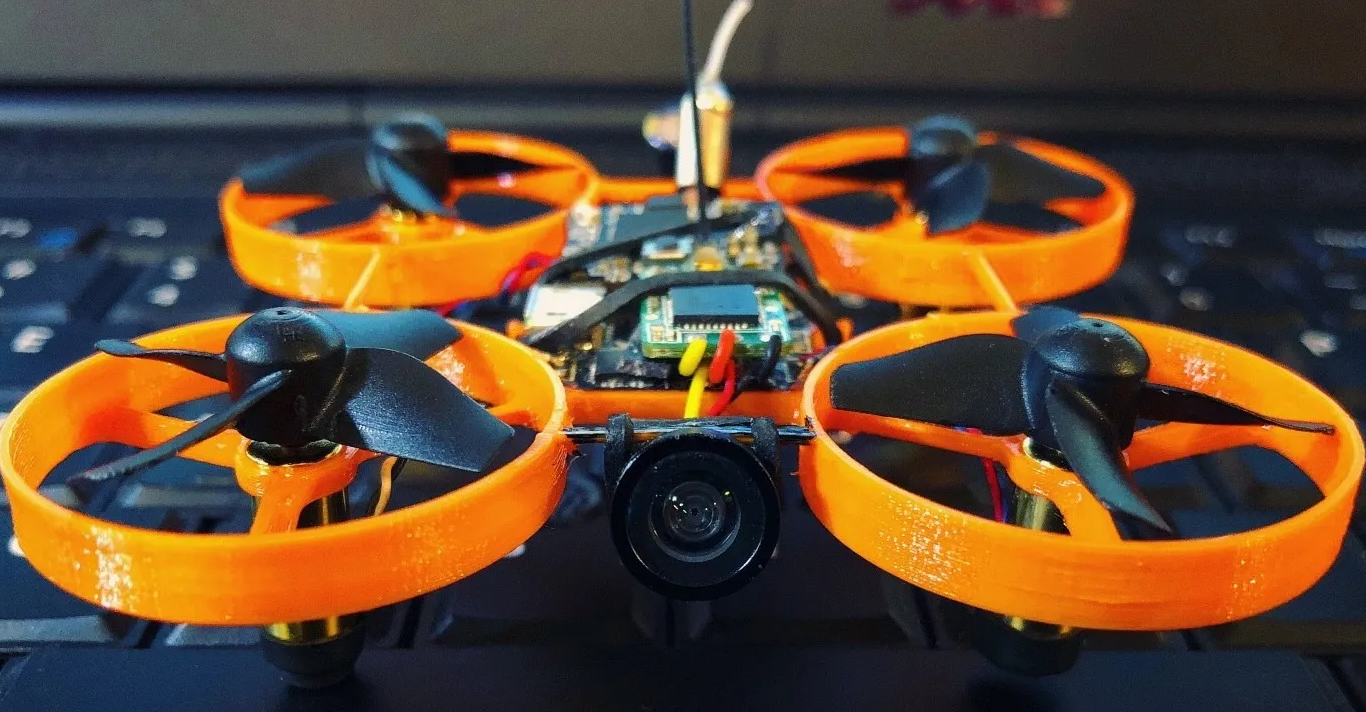
My probably too European brain had never thought about nuclear weapons within the context of the American right to bear arm. What's the jurisprudence on it? The idea of autonomous drones makes it an even more curious question.
There are some libertarians who think that the individual right to bear arms should include nukes, but it's a silly, fringe notion even by libertarian standards. Supreme court rulings like District of Columbia v. Heller (in it's discussion of a previous case, US. v Miller) suggest that weapons in common use for lawful purposes are what are protected because they are what would be brought if a milita was called. Nuclear arms would fall outside this. But if drones become ubiquitous in warfare to the point that almost all soldiers have one, it's not exactly beyond the pale to interpret them as arms under the spirit and intent of the second amendment and subsequent supreme court rulings on it. It may even be more prudent for potential militia members to be familiar with drones than guns.