
Aug 12, 2024 3:34 PM
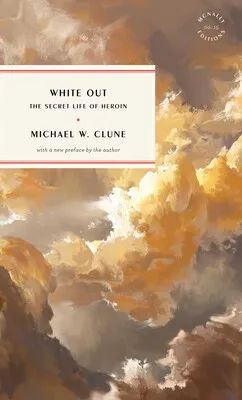
The drug and addiction memoir is a strange genre. It seems to be mostly populated by airport kiosk-style memoirs from celebrities, often with a pithy double entendre for a title. (Wishful Drinking by Carrie Fisher, for example). There are the completely sentimental ones that seem alright (Beautiful Boy by David Sheff). Then there are the people in it shamelessly and entirely for the money (A Million Little Pieces by James Frey). A few, however, are great and verge on the unclassifiable (Burroughs). But as with the publishing industry in general, most of this genre is decidedly not literary, and instead caters to pulpy or self-help audiences. White Out is in this last category, the one verging on the unclassifiable; deeply sad and yet hilarious and insightful, the book rises above many of the trappings of the genre and exists in a class of its own when it comes to addiction writing.
I agree with Maggie Nelson when she describes this book as "one of the best dope memoirs" she's ever read. Clune's prose is absorbing, and his insight into addiction is precise and original. The main idea he explores throughout the book is that addiction is a sort of "memory disease," and that every time an addict uses it "whites out" their memories, taking them back to the first time they used in a vicious cycle of self-destructive amnesia. (Okay, maybe it's not the most groundbreaking idea, but the artfulness and execution of Clune's exploration elevates it to something unique and literary.) There are some really strange, beautiful, dreamlike passages I found myself rereading over and over again because of how well they come together. Reading Clune sometimes feels like magic; I still can't explain how he pulled off one particular chapter called "Candyland." It's visual, but abstract. Cold, but brimming with emotion. Casual, but psychologically perceptive.
Beyond that, there are some very funny moments scattered throughout this book. Many of the characters have fascinating, fucked up backstories that are so depraved and tragic I sometimes wondered how true-to-life these sections are. Fortunately, the quality and consistency of Clune's writing makes me not care. If you have a morbid fascination with books or art about drugs and addiction, this is a fantastic read.