
Metal Gear Solid 2, via Lethem, by Gibson

Dec 24, 2024
Logos, symbols, archetypes, meaningless patterns. Interesting concepts, but this novel's structure is too haphazard to do them justice, its twists and turns too convenient to convince me that any of this is more than a hazy stab at figuring out something that hadn't fully taken form at the time of publication. I'm interested to pick up the sequel, Spook Country, based on the name alone, and I appreciate Gibson's attempt to excavate and analyze American culture - corporatism, political malfeasance, and large-scale surveillance - in the early 21st century. Comparisons to Bleeding Edge and Chronic City are apt. Ultimately, however, I found this lacking, especially in comparison to Neuromancer, which I enjoyed for its humanistic portrayal of a world accelerating towards inhumanity. He's better working in a register attuned to emotion rather than social criticism; sorrow, rather than cyberspace.
By no means highbrow literature but as someone with an aversion to genre fiction I found this one relatively grounded and avoidant of some of the t...

I read Meditations by Aurelius about a decade ago, before the bastard Ryan Holiday ruined all discussion around Stoicism. Firsts are always special...
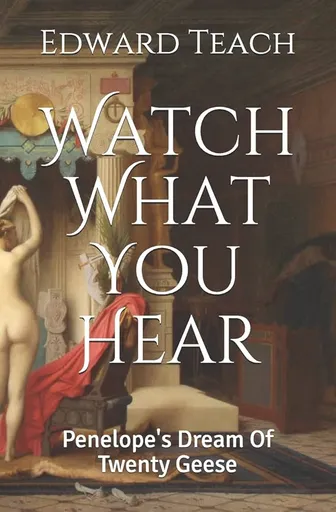
Watch What You Hear: Penelope's Dream of Twenty Geese (2020), like many of the most interesting works of the 21st century, was published pseudonymo...