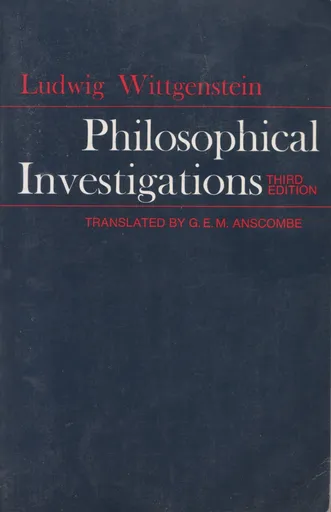

If any philosophy after this wants to take itself seriously, it has to respond to the Investigations. It's an era-defining moment in philosophy comparable only to Hume. The issue is that it requires a break with the normal conceptions of how language works that cannot be understood without being categorically willing to engage with it. (One can usually say: this book argues for the existence of God, that one argues for a utilitarian ethics, this other one for free will etc., and even one who does not agree will understand what those books are trying to say. But the character of language that Wittgenstein wants to reveal is not one that can be conceived before it is shown.) Hence the failure of even brilliant minds like Kripke to present his ideas properly within and through the classical view of language. It can be pointed to, but not demarcated.
It can certainly be said what this is not. It is not nonsense, despite what some may say. No mere whimsy and phantasm can turn a man like him away from the view in the Tractatus. It is not skepticism, as Kripke maintains. (Refuting another philosophy does not make you a skeptic.) Neither is it systemic, like the Tractatus, though it is not a work you can take parts of and ignore the rest, or at least not before understanding it as a whole.