
Oct 16, 2025 8:18 PM
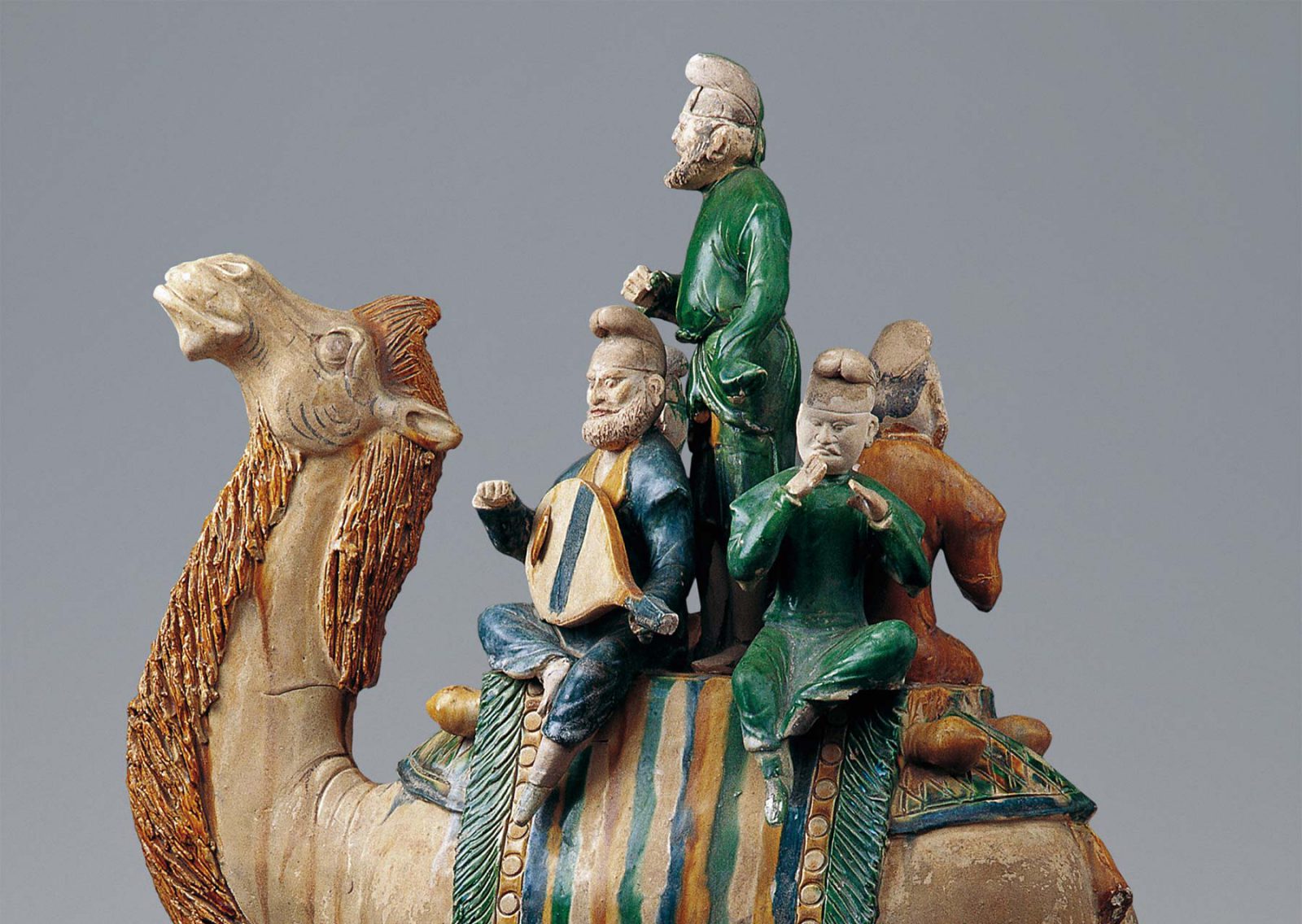
Well, not kings per se, but many of them took the name "Kang" when they emigrated to China. Kang being a toponymic surname for Sogdiana, in what is now eastern Uzbekistan.
De la Vassiere's work is a critical introduction to the Sogdians and traces their eastward expansion from antiquity to the eventual collapse of their trade networks in the first millennium. While the bulk of their activity was between their homeland and China, there is evidence of their activity as far as Sri Lanka and Crimea.
Most of what we know comes through the records of their trading partners. However, there are some scant primary sources. The famed Sogdian letters, preserved in the arid ruins of a watchtower for sixteen centuries, are given a thorough translation and treatment here, providing a brief glimpse into the Sogdian society.
Importantly, they acted as brokers and intermediaries between imperial China and the Turkic Khaganates, positioning themselves on the fulcrum of an economic lever that provided obscene wealth. This relationship is perhaps best instantiated by An Lushan, a Turko-Sogdian general infamous for his revolt against the Tang dynasty.
Historians like to assert that most trade on the silk road happened on a maritime route between east and west. However, the maritime route only gains prominence after the collapse of the Sogdian networks. De La Vassiere makes the connection clear, but doesn't posit a causal relationship. Did the an increase in maritime trade cause the collapse of their overland networks? Or did the expansion of Islam into the Sogdian homeland disrupt their society enough to collapse the networks, fostering the growth of maritime silk trade?